Durable Medicines
Creating new therapeutic modalities for longer-lasting and more affordable protein therapeutics
Goal
To create gene-encoded protein therapeutics that are more cost-effective and durable (≥ one year) than traditional protein therapeutics.
Background and Current Landscape
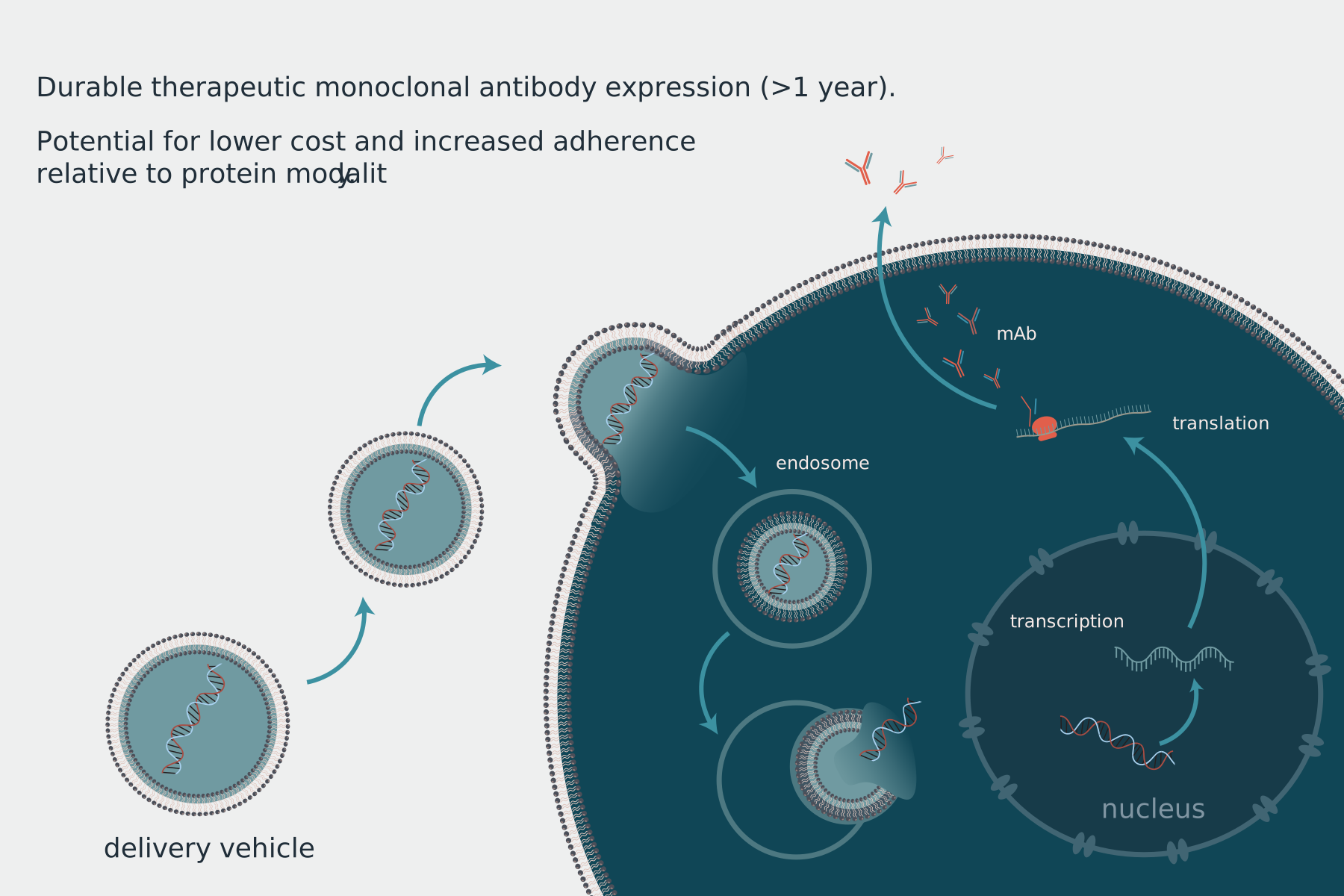
Increasing investment in the development of monoclonal antibody therapeutics has begun to show promise for infectious diseases such as HIV, malaria, and RSV. However, access to such therapies for low-and-middle income countries (LMICs) is limited by high cost of goods and limited duration of efficacy (durability) from a single dose (typically 1-2 months).
Investments in this subdomain take two approaches to addressing the barriers to access identified above:
- DNA-encoded Protein Therapeutics: Significant research has been invested in the use of electroporation for the delivery of DNA into muscle with mixed results in the context of the Accelerator’s goals. The Accelerator is pursuing simpler and more efficient delivery of DNA into cells, leveraging recent progress in non-viral delivery methods. To be successful, optimization of delivery efficiency and minimization of immunogenicity are needed to maximize duration and protein expression levels.
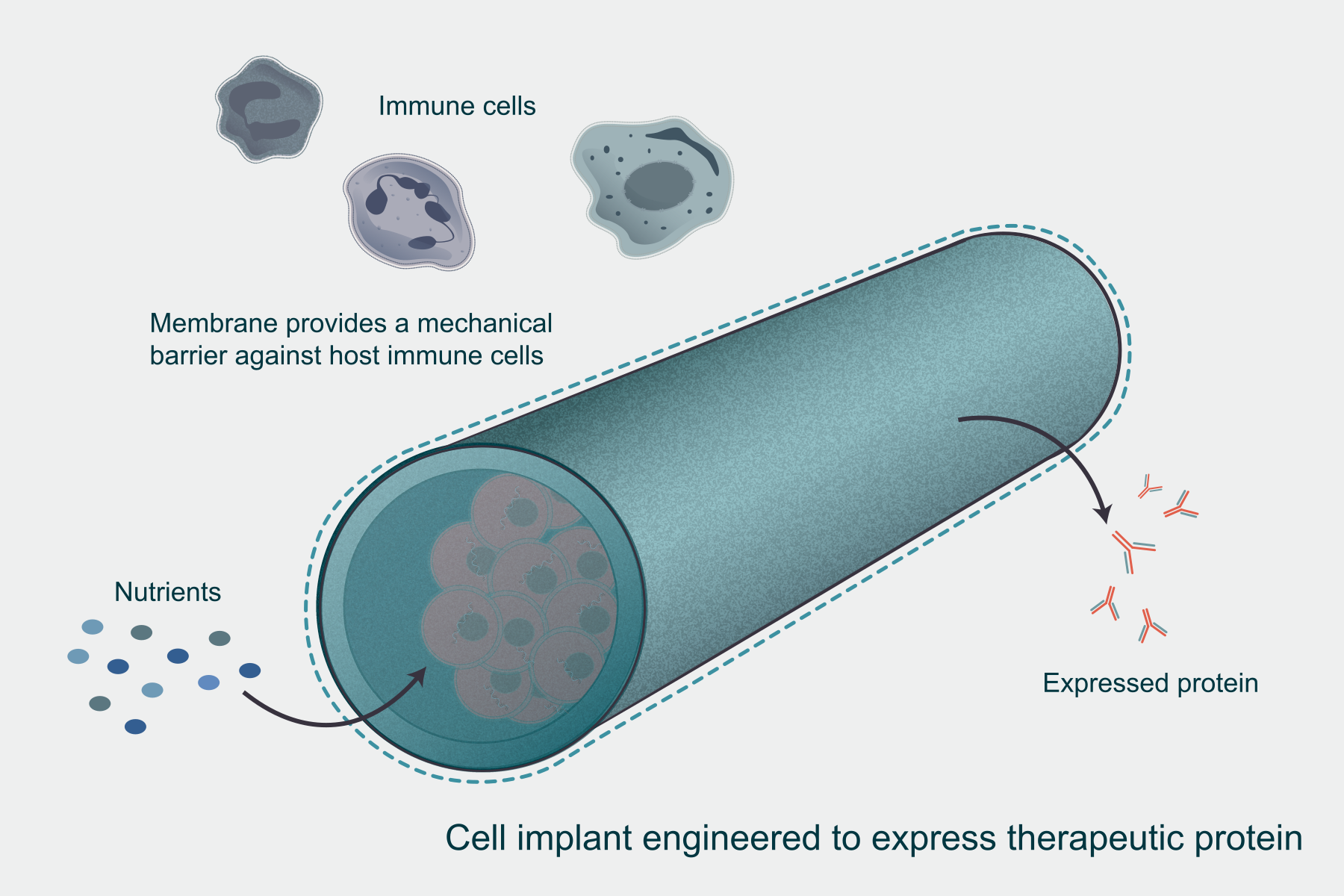
- Cell Factory: The Accelerator is pursuing development of cell implants, engineered to express the therapeutic protein of interest, as a complement to the DNA-encoded approach described above. Historical challenges to executing this concept include fibrotic response to the cell implant which impairs its function, durability of the cells, and productivity of the cells. Advances in material sciences and cell engineering offer new opportunities for tackling this product concept.
Potential Applications
Long-Term Delivery of Therapeutic Proteins
Accelerator’s Applications of Interest:
- HIV
- Malaria
- Respiratory syncytial virus (RSV)
Potential Broader Impacts:
- Any chronic indication requiring repeated administration of protein therapeutics
Selected Partners